












Bariatric surgery or weight loss surgery is a surgical procedure performed on individuals who are severely obese. This surgery is typically recommended to individuals who attempted other weight loss methods and were unsuccessful and have critical health problems. Bariatric surgery aims to reduce the size of the stomach to restrict the quantity of food the person eats or absorbs.
Each type of bariatric surgery has its own advantages and disadvantages. Your bariatric surgeon decides which type of surgery is suitable for you according to your health history and overall health condition. Here are some common types of bariatric surgery:
Before undergoing bariatric surgery or any surgery, a patient goes through a pre-operative phase that helps them prepare for the procedure. Every surgery including bariatric surgery has a pre-operative, surgical procedure, and post-operative phase that helps ensure a successful outcome.
During the preoperative phase of bariatric surgery, the surgeon will conduct a physical assessment, medical check, and tests to assess whether the patient is fit for the procedure.
Once in the operating room, the patient will be given anesthesia to ensure they do not feel any pain during the surgery. Once the anesthesia is given, the surgeon will create certain incisions (cuts) to locate the intestines and stomach. Your healthcare provider can create one or more incisions depending on the surgery being performed (laparoscopic or open surgery)
Once the incisions are made, the surgeon will perform the necessary steps according to the technique selected. The procedure can be either resizing the stomach and modifying a portion of the small intestine or placing a silicon band on top of the stomach to create a small pouch. All these ways help limit the amount of food an individual can consume. Thereafter, the surgeon will close the incisions using staples or sutures.
The patient is then monitored for some time as soon as they wake up from the anesthesia. Depending on the surgical procedure, the patient stays for a day or two and is expected to follow certain post-operative tips to recover well.
One of the biggest advantages of bariatric surgery is that it helps severely obese people lose significant and sustained weight loss. However, there are more benefits of this surgery than just helping people lose weight. Here are some common benefits that are beyond just losing weight:
Some of the steps to follow before bariatric surgery?
Here are some post-operative tips to follow after bariatric surgery:
Bariatric surgery aims to reduce the size of the stomach to restrict the quantity of food the person eats or absorbs.
What are the Types of Bariatric Surgery?
Each type of bariatric surgery has its own advantages and disadvantages. Your bariatric surgeon decides which type of surgery is suitable for you according to your health history and overall health condition. Here are some common types of bariatric surgery:
Sleeve Gastrectomy: In this surgery, the stomach is detached from its surrounding organs, and using surgical staples approximately 80 to 85% of the stomach is removed from the body. The remaining stomach which is the shape of a banana holds less food than earlier and eventually helps consume fewer calories. By removing the majority of the stomach our hunger is reduced and we can maintain an optimal body weight.
Roux-en-Y Gastric Bypass (RYGB): Gastric bypass surgery is one of the most effective bariatric surgeries. In this type of surgery, the stomach is divided into two portions. The first is the size of an egg and the other portion ( larger part) is the remaining stomach. The larger part of the stomach is bypassed from the rest by using surgical staples. The doctor then attaches the smaller stomach to a part of the small intestine (Roux limb). The food you consume reaches the smaller portion of the stomach, bypassing the remaining stomach and the upper part of the small intestine. This means you consume less than you used to earlier which reduces the amount of calories you absorb.
Gastric banding: Gastric banding is a procedure wherein a silicon band is placed on the top portion of the stomach, creating a small pouch. This limits the amount of food an individual can consume and decelerates the emptying of the stomach.
Biliopancreatic Diversion with Duodenal Switch (BPD/DS): This procedure is the same as gastric bypass surgery. The procedure begins by creating a small tube-shaped stomach pouch and bypassing the remaining stomach. Once the pouch is made, a part of the small intestine is detached and tied up to the newly created pouch. This allows the food to reach the sleeve pouch and eventually helps consume fewer calories.
What Happens During a Bariatric Surgery?
Before undergoing bariatric surgery or any surgery, a patient goes through a pre-operative phase that helps them prepare for the procedure. Every surgery including bariatric surgery has a pre-operative, surgical procedure, and post-operative phase that helps ensure a successful outcome.
During the preoperative phase of bariatric surgery, the surgeon will conduct a physical assessment, medical check, and tests to assess whether the patient is fit for the procedure.
Once in the operating room, the patient will be given anesthesia to ensure they do not feel any pain during the surgery. Once the anesthesia is given, the surgeon will create certain incisions (cuts) to locate the intestines and stomach. Your healthcare provider can create one or more incisions depending on the surgery being performed (laparoscopic or open surgery)
Once the incisions are made, the surgeon will perform the necessary steps according to the technique selected. The procedure can be either resizing the stomach and modifying a portion of the small intestine or placing a silicon band on top of the stomach to create a small pouch. All these ways help limit the amount of food an individual can consume. Thereafter, the surgeon will close the incisions using staples or sutures.
The patient is then monitored for some time as soon as they wake up from the anesthesia. Depending on the surgical procedure, the patient stays for a day or two and is expected to follow certain post-operative tips to recover well.
What are the Advantages of Bariatric Surgery?
One of the biggest advantages of bariatric surgery is that it helps severely obese people lose significant and sustained weight loss. However, there are more benefits of this surgery than just helping people lose weight. Here are some common benefits that are beyond just losing weight:
Remission for type 2 diabetes: Bariatric surgery is one of the most effective surgery that helps in the long-term treatment of type 2 diabetes. The patient can be insulin-free for at least 3 to 4 years after surgery.
Better cardiovascular health: Weight loss surgery like bariatric surgery can help in treating cardiovascular conditions like arrhythmias, heart failure, stroke, and hypertension. Also, it is generally seen that cholesterol and blood pressure levels return to normal, enhancing overall health.
Lower risk of certain cancers: According to the National Care Institute, medical experts have found a link between excessive weight and cancer risk. Research conveys that excess fat in the body can lead to several types of cancer like kidney and pancreatic cancers, breast cancer, and colorectal cancer.
Solves the issue of obstructive sleep apnea: Sleep apnea is a sleep illness wherein breathing repeatedly stops and starts. One of the biggest risk factors for sleep apnea is obesity. Patients suffering from sleep apnea use a CPAP machine to breathe properly. This machine has a hose that is connected to a mask ( that is worn by the patient) that delivers constant air pressure to breathe adequately. Losing excessive weight allows individuals to stop using the CPAP machine
How to Prepare for Bariatric Surgery?
Some of the steps to follow before bariatric surgery?
Undergo research before your weight loss surgery. This can be achieved by speaking to people who have undergone bariatric procedures or learning from the information on the internet. Doing your homework helps you have genuine expectations of the surgery.
Your bariatric surgeon may conduct a medical evaluation to determine your eligibility for the procedure. Therefore, undergo the assessment and diagnostic tests as ordered by your healthcare provider.
Your doctor might ask you to lose certain weight before surgery to minimize surgical risks. Ensure you do the same by practicing the steps as advised by him.
Follow a pre-operative diet as recommended by your surgeon. The diet may include a low-calorie and high-protein diet, like lean protein and plant-based options, to shrink the liver and enhance surgical safety.
Be fully informed of the type of bariatric surgery, its risks and advantages, and the pre-operative guidelines to follow after the procedure. This will help you have pragmatic and sensible expectations of the procedure.
What are the Recovery Tips to Follow After Bariatric Surgery?
Here are some post-operative tips to follow after bariatric surgery:
You might not be able to sleep properly on your side after surgery. If that's the case, use a post-surgery pillow that can provide you with extra support.
Don't immediately start with solid food after the procedure. Instead consume low-carb and protein-rich options. Also, ensure to chew your food properly.
Drink at least 8 to 10 glasses of water each day. Skip drinks that have high-calorie content.
Wear loose fitting clothes that will not rub against your incisions.
After every meal, wash or sanitize your hands properly to minimize the chances of complications during your recovery period.

Oncology refers to the study of cancer. It is a specialty of medicine that deals with the diagnosis and treatment of people who are suspected of cancer or are dealing with cancer. Oncology involves medical oncology, surgical oncology, hematology-oncology, radiation oncology, gynecology oncology, preventive medicine, pediatric oncology, palliative medicine, and much more.
An oncologist is a healthcare expert who holds training in the diagnosis and treatment of people suffering from cancer. They are generally a part of a multidisciplinary team, involving radiologists, pathologists, palliative care specialists, and nurse oncologists. There are oncologists that specialize in treating specific types of cancer. Medical oncologists are doctors who treat cancer using chemotherapy, immunotherapy, and hormone therapy. Surgical oncologists are involved in removing the cancerous tissue during the surgery. Whereas, a radiation oncologist treats cancer using radiotherapy.
Oncologists at Marengo Asia Hospitals hold extensive experience in diagnosing and treating several types of cancer, including:
There is no particular diagnostic test that can diagnose cancer. Your healthcare provider generally begins by asking about your personal and family medical history. They may conduct a physical examination, lab tests, imaging tests, and a biopsy for better diagnosis. A biopsy is generally the best and the sure-shot way to detect cancer. It helps in accurate diagnosis by allowing for the microscopic investigation of tissue. Here are some common tests and procedures utilized in the diagnosis and treatment of cancer:
There are various treatment options for cancer such as surgery, chemotherapy, radiotherapy, hormonal therapy, stem cell or bone marrow treatments, targeted therapies, etc. However, the treatment of cancer chosen by the doctor depends on various factors such as the extent of cancer, the type of cancer, age, and overall health of the patient, and other individual factors.
Any treatment option that is chosen by the healthcare provider, be it surgery, chemotherapy, or immunotherapy, can be a primary cancer treatment. However, surgery is the most common type of treatment for cancer. During the surgical procedure, the cancerous tissue and the surrounding tissue are excised from the site. This treatment option is typically adopted when cancer is localized and has not stretched to other body parts.
Palliative care also plays a huge role in the treatment of cancer. This form of treatment focuses on enhancing the quality of life of the patient by improving the symptoms and stress of a grave condition like cancer. Palliative care not only enhances the condition of the patient but also of the family by providing them with emotional support. It helps the patient throughout their cancer treatment journey, regardless of their stage. This care is provided alongside other treatment options for cancer.
Marengo Asia Hospitals may be chosen for cancer care for several reasons:
gynecology oncology, preventive medicine, pediatric oncology, palliative medicine, and much more.
Who Is An Oncologist?
An oncologist is a healthcare expert who holds training in the diagnosis and treatment of people suffering from cancer. They are generally a part of a multidisciplinary team, involving radiologists, pathologists, palliative care specialists, and nurse oncologists. There are oncologists that specialize in treating specific types of cancer. Medical oncologists are doctors who treat cancer using chemotherapy, immunotherapy, and hormone therapy. Surgical oncologists are involved in removing the cancerous tissue during the surgery. Whereas, a radiation oncologist treats cancer using radiotherapy.
What Conditions Do Oncologists Treat?
Oncologists at Marengo Asia Hospitals hold extensive experience in diagnosing and treating several types of cancer, including:
Lung cancer
Liver cancer
Biliary cancers
Pancreatic cancer
Brain tumors
Head and neck cancers
Colon cancer
Sarcomas
Melanoma
Nonmelanoma skin cancer
Thyroid cancer
Breast cancer
Kidney cancer
Neuroendocrine tumors
Rectal cancer
Ovarian cancer
Other gynecological cancers
Prostate cancer
What Are The Various Tests Performed To Diagnose Cancer?
There is no particular diagnostic test that can diagnose cancer. Your healthcare provider generally begins by asking about your personal and family medical history. They may conduct a physical examination, lab tests, imaging tests, and a biopsy for better diagnosis. A biopsy is generally the best and the sure-shot way to detect cancer. It helps in accurate diagnosis by allowing for the microscopic investigation of tissue. Here are some common tests and procedures utilized in the diagnosis and treatment of cancer:
Blood chemistry test: This test gauges the quantity of substances that are released into the blood by various organs and tissues. These substances include metabolites, fats, sugars, electrolytes, and much more. The levels of these substances (high or low) indicate the presence of a disease or side effects of a treatment.
Biopsy: A biopsy is a procedure that involves extracting a small tissue from the cancerous area. The tissue is then examined to know if cancer cells are present. There are various ways of conducting a biopsy, which include: needle biopsy, surgical biopsy, or endoscopic biopsy.
Tumor marker tests: These tests compute the substances that are made by cancer cells in the body. Tumor markers are developed by both normal cells and cancer cells, however, the quantity produced differs in each case. The number of tumor markers produced by cancer cells is much more than that produced by normal cells. These tests are highly effective in diagnosing cancer and deciding the course of treatment.
Bone scan: Imaging tests are also very useful in diagnosing cancer. In these tests, pictures of organs are taken that help the healthcare expert see if a tumor is present. A bone scan is an imaging scan that helps detect the damage in bones. This scan can help diagnose bone cancer or determine whether cancer has reached bones from another body part (called metastatic bone tumors).
PET scan: This is also a type of imaging test that helps in producing clear and 3-D pictures of organs inside the body to determine the presence of cancer. In a PET scan images are produced of the area that absorbs glucose. Cancer cells absorb more glucose than normal cells, hence cancer cells can be easily identified in this imaging test.
How Is Cancer Treated?
There are various treatment options for cancer such as surgery, chemotherapy, radiotherapy, hormonal therapy, stem cell or bone marrow treatments, targeted therapies, etc. However, the treatment of cancer chosen by the doctor depends on various factors such as the extent of cancer, the type of cancer, age, and overall health of the patient, and other individual factors.
Any treatment option that is chosen by the healthcare provider, be it surgery, chemotherapy, or immunotherapy, can be a primary cancer treatment. However, surgery is the most common type of treatment for cancer. During the surgical procedure, the cancerous tissue and the surrounding tissue are excised from the site. This treatment option is typically adopted when cancer is localized and has not stretched to other body parts.
Palliative care also plays a huge role in the treatment of cancer. This form of treatment focuses on enhancing the quality of life of the patient by improving the symptoms and stress of a grave condition like cancer. Palliative care not only enhances the condition of the patient but also of the family by providing them with emotional support. It helps the patient throughout their cancer treatment journey, regardless of their stage. This care is provided alongside other treatment options for cancer.
Why Choose Marengo Asia Hospitals For Cancer Care?
Marengo Asia Hospitals may be chosen for cancer care for several reasons:
Specialized cancer care services: The oncology team at Marengo Asia Hospitals offers specialized cancer care services to its patients including accurate diagnosis, effective treatment, and supportive care. The patients at our hospital can get the best standard of care from a multidisciplinary team of oncologists, surgeons, radiologists, and other healthcare experts.
Advanced healthcare facilities: Our hospital has cutting-edge equipment for cancer diagnosis and treatment. These facilities include robotic-assisted biopsy systems, radiation therapy machines, CAR-T cell therapy, infusion pumps, and several surgical suites equipped for oncological procedures.
Expertise and experience: Our oncology team has expert doctors who are highly trained and have extensive years of experience in performing the most complex cancer surgeries. Marengo Asia Hospitals healthcare specialists specialize in treating all types of cancer such as skin cancer, colorectal cancer, pancreatic cancer, uterine (endometrial) cancer, and many more. Their substantial experience results in providing patients with personalized treatment plans according to their needs and diagnoses.
Comprehensive support services: Our hospital not only provides effective medical treatment but also offers diverse support services to our cancer patients and their families, which include emergency department (ED), psychological counseling, health education, pain management, occupational therapy, nutritional support, and pastoral care.

Cardiac sciences is a broad area of medicine dealing with the diagnosis, treatment, and management of heart and vascular conditions. It encompasses many specialist areas as a single entity for overall cardiovascular care. For instance, cardiology manages heart diseases through non-surgical means, including coronary artery disease, heart failure, or arrhythmias.
Cardiac surgical practices include procedures like coronary artery bypass grafting, valve repairs, and transplants, in respect to severely diseased hearts. Interventional cardiology focuses more on less invasive treatments for diseased arteries through techniques such as angioplasty and stenting. Electrophysiology focuses on the diagnosis and cure of heart rhythm disorders through strategies like catheter ablation and the use of implantable devices. In addition, Vascular medicine deals with diseases involving blood vessels, such as aneurysms and peripheral artery disease, and so provides comprehensive care of all aspects of cardiovascular health.
What Types of Heart Conditions Are Addressed in Cardiac Sciences?
The cardiac team at Marengo Asia Hospitals is dedicated to treating extensive conditions regarding the heart. Their services include the following treatment of conditions:
Risk Factors of Cardiovascular Diseases
Cardiovascular diseases have been rated to be the number one cause of death globally. Knowing the risk factors is a good move toward prevention and better management of cardiovascular diseases early on. The risk factors can be categorised into broad headings, namely modifiable and non-modifiable.
1. Non-Modifiable Risk Factors:
2. Modifiable Risk Factors:
3. Other Contributing Risk Factors:
What Are The Various Tests Performed To Diagnose Cardiovascular Diseases?
The heart condition diagnosis is supposed to use several tests and procedures in scrutinising the heart structure, thus diagnosing its functionality. Common tests that are conducted include:
Cardiac Treatment at Marengo Asia Hospitals
Interventional Procedures
Interventional cardiology involves some minimally invasive interventions used for the management of certain heart conditions without the involvement of major surgery. They are:
1. Angioplasty: Also known as percutaneous coronary intervention (PCI), the procedure restores blood flow to the heart by opening blocked or narrowed arteries called coronary arteries. A small balloon, via a catheter, is inflated at the site of the blockage compressing the plaque against the artery wall and restoring blood flow. In many cases, this is followed by the placement of a stent to keep the artery open.
2. Stent Placement: A stent is implanted almost invariably after an angioplasty. It is a small, expandable, tubular mesh made of metal, implanted in the artery to ensure it does not narrow again. A stent supports walls between which blood flows, providing better flow to the heart muscle. Types of stents include bare-metal stents and drug-eluting stents. The latter has a drug coating to prevent the narrowing of the arteries again (restenosis).
3. Balloon Valvuloplasty: This intervention is mainly used for stenosis of the heart valve by inflating a balloon on the end of the catheter that is taken through the blood vessels to the stiff or narrowed heart valve. The balloon will then dilate the valve and improve its function. Blood flow now becomes uncomplicated throughout the heart.
Cardiac Surgery
Sometimes, if the medication and the minor interventions are considered less apt, the patient may be in a position requiring surgical intervention. These surgical alternatives are especially used for major or complicated heart conditions:
1. Coronary Artery Bypass Grafting (CABG): This is an operation that creates a bypass route past obstructed coronary arteries in order to restore blood flow to the heart muscle. Grafting is accomplished through the surgical removal of an unrestricted blood vessel from another area, such as the leg (saphenous vein) or chest (internal mammary artery), which is then grafted past the obstructed segment of the artery. CABG is often the procedure of choice for the treatment of patients with severe coronary artery disease. This is because it improves heart function and quality of life.
2. Valve Repair or Replacement: When heart valves are damaged or do not open and close properly, surgery becomes obligatory. Surgeons attempt to repair the valve initially, where they reconstruct the existing valve to regain its normal functioning. If the valve has been damaged beyond usability, it can be substituted with an artificial valve (mechanical or biological). The surgery helps pump blood efficiently through the heart and alleviates symptoms of heart failure or other complications associated with valve disease.
3. Heart Transplant: The heart transplant is reserved for patients who have end-stage heart failure. It becomes the final option in case other treatments fail. In this treatment process, the diseased heart is removed, and a healthy donor heart is implanted. The nature of transplants is very complex and calls for an evaluation for appropriateness. A patient is, after the surgery, expected to be given immunosuppressive drugs that prevent rejection of the new heart. They are kept under close observation for complications.
4. Cardiothoracic Surgery: Cardiothoracic surgery encompasses all those surgical procedures primarily focused on the heart and thoracic cavity. These include the cardiac surgeries enumerated above but also those concerning the lungs and major blood vessels, addressing a range of conditions from congenital flaws to complex cardiovascular problems.
Electrophysiological Procedures
They are specific therapies for arrhythmia conditions. The treatments include:
1. Ablation Therapy: This treatment is intended to remove abnormal extra electrical pathways of the heart that are causing arrhythmias. A catheter is placed inside a blood vessel and then directed toward the heart, where the problematic area or tissue is destroyed by radiofrequency energy or cryotherapy. In this way, ablation can be employed for the restoration of normal heart rhythm and to reduce the recurrence or severity of arrhythmias. This therapy is particularly effective for conditions like atrial fibrillation and atrial flutter.
2. Pacemaker Implantation: This involves the insertion of a very small device under a part of the chest through a small incision to help coordinate slow or irregular heartbeats. It sends electrical impulses to stimulate the heart to beat in a normal fashion. The process is very minimally invasive and usually carried out under local anaesthesia. Pacemakers can sometimes have an extremely positive effect on the lifestyle of patients with bradycardia, slow heart rate, or other types of heart rhythm disorders.
3. Implantable Cardioverter Defibrillator (ICD): ICD is a device implanted inside the chest. This continuously monitors the rhythm of the heart. If a life-threatening arrhythmia is caught, the ICD delivers an electric shock to restore a normal heartbeat. It is uniquely important for those patients who would be at an increased risk of sudden cardiac death due to conditions such as ventricular tachycardia or ventricular fibrillation. In this way, it would be lifesaving to patients and will provide peace of mind to their family members.
4. Cardiac Resynchronization Therapy (CRT): This is a high-tech treatment of heart failure where a pacemaker helps to synchronise the contractions of the ventricles of the heart. CRT has shown efficacy in patients for the improvement in the mechanical functions of the heart, and those individuals with a slow or dye synchronised rhythm who have had a diagnosis of heart failure. It has been demonstrated to increase exercise tolerance, quality of life enhancements, and diminish hospitalisation due to heart failure.
Management of Cardiovascular Diseases
Once a diagnosis of cardiovascular disease is made, physicians start recommending appropriate treatments according to the patient's specific medical condition. Some standard practices that are often followed in managing cardiovascular diseases are as follows:
Lifestyle Changes
The most common prescription for managing cardiovascular diseases is in terms of a heart-healthy lifestyle. Physicians usually advise patients to:
Medications
For instances where lifestyle modification is not sufficient, certain medicines will be used based on the type of heart condition. Common categories of heart medications include:
Pacemakers or ICD
For patients suffering arrhythmias, the doctor may prescribe an implantable cardiac pacemaker or even an Implantable Cardioverter Defibrillator. These devices are implanted in the chest or abdomen through minor surgery; they control irregular heartbeats.
Surgery
When drugs and any other lifestyle change cannot bring about a cure, surgery may be required. The kinds of common heart surgeries conducted in cardiac hospitals include:
Why Choose Marengo Asia Hospitals For Cardiac Care?
Marengo Asia Hospitals is unique for cardiac care because:
including coronary artery disease, heart failure, or arrhythmias.
Cardiac surgical practices include procedures like coronary artery bypass grafting, valve repairs, and transplants, in respect to severely diseased hearts. Interventional cardiology focuses more on less invasive treatments for diseased arteries through techniques such as angioplasty and stenting. Electrophysiology focuses on the diagnosis and cure of heart rhythm disorders through strategies like catheter ablation and the use of implantable devices. In addition, Vascular medicine deals with diseases involving blood vessels, such as aneurysms and peripheral artery disease, and so provides comprehensive care of all aspects of cardiovascular health.
What Types of Heart Conditions Are Addressed in Cardiac Sciences?
The cardiac team at Marengo Asia Hospitals is dedicated to treating extensive conditions regarding the heart. Their services include the following treatment of conditions:
Coronary artery disease
Heart attack known as myocardial infarction
Heart failure
Arrhythmias or irregular heartbeats
Hypertension or high blood pressure
Valvular heart disease
Congenital heart defects
Peripheral artery diseases
Cardiomyopathy
Aneurysms
Risk Factors of Cardiovascular Diseases
Cardiovascular diseases have been rated to be the number one cause of death globally. Knowing the risk factors is a good move toward prevention and better management of cardiovascular diseases early on. The risk factors can be categorised into broad headings, namely modifiable and non-modifiable.
1. Non-Modifiable Risk Factors:
Age: The risk of developing cardiovascular diseases increases in old age. Blood vessels get less elastic with every passing year, and thus, it is more likely to get heart-related problems.
Gender: Heart disease is more likely to occur and earlier among men than women. However, after menopause, the risk becomes higher in women.
Family History (Genetics): If anyone in your immediate family, especially younger relatives, had heart disease, the risk seems to be increased. You may be predisposed to heart disease through inheritance.
2. Modifiable Risk Factors:
High Blood Pressure (Hypertension): Uncontrolled high blood pressure is one of the primary contributors to heart disease. It puts too much strain on the heart and blood vessels, thereby increasing the risks of heart attacks and strokes.
High Cholesterol Levels: Elevated levels of LDL or bad cholesterol lead to the deposition of fatty deposits in the arteries, which then narrows these and increases the chances of having cardiovascular events. Levels of HDL or good cholesterol are usually very low.
Smoking: Inhaling tobacco significantly increases the chances of developing cardiovascular diseases, and this is so because smoking damages blood vessels, diminishes the carrying capacities of oxygen within the blood, and increases the opportunities for the clotting of blood.
Obesity: Obesity, especially central obesity, raises the prevalence of more risk factors with increased blood pressure, high cholesterol levels, and type 2 diabetes, all of which are the major determinants of cardiovascular disease.
3. Other Contributing Risk Factors:
Stress: Chronic stress may contribute to heart disease as it causes elevated blood pressure and promotes unhealthy coping behaviours, such as overeating, smoking, or alcohol abuse.
Sleep Apnea: A sleep disorder that causes interrupted breathing while at rest. It can lead to hypertension and heart stress over time.
What Are The Various Tests Performed To Diagnose Cardiovascular Diseases?
The heart condition diagnosis is supposed to use several tests and procedures in scrutinising the heart structure, thus diagnosing its functionality. Common tests that are conducted include:
Electrocardiogram (ECG or EKG): An electrocardiogram measures electrical activity within the heart. This is useful in identifying arrhythmias, and heart attacks, among other heart conditions.
Echocardiogram: Gives out images of the heart structure and functionality with the use of ultrasound waves. It thus helps the physician look at heart valves and chambers.
Stress Test: Evaluates how the heart performs under physical stress, often induced through exercise or medication to mimic exertion on the heart.
Chest X-ray: This will display images of the heart and lungs to determine enlargement of the heart and fluid buildup in the lungs.
Cardiac MRI and CT Scans: They give advanced views of the heart and blood vessels to diagnose many complex conditions and evaluate possible treatments.
Holter Monitor: A portable ECG device worn for 24-48 hours to monitor heart rhythm over an extended period.
Blood Tests: This measures the level of cardiac biomarkers. It may reflect damage to the heart or increase the risk factors.
Cardiac Treatment at Marengo Asia Hospitals
Interventional Procedures
Interventional cardiology involves some minimally invasive interventions used for the management of certain heart conditions without the involvement of major surgery. They are:
1. Angioplasty: Also known as percutaneous coronary intervention (PCI), the procedure restores blood flow to the heart by opening blocked or narrowed arteries called coronary arteries. A small balloon, via a catheter, is inflated at the site of the blockage compressing the plaque against the artery wall and restoring blood flow. In many cases, this is followed by the placement of a stent to keep the artery open.
2. Stent Placement: A stent is implanted almost invariably after an angioplasty. It is a small, expandable, tubular mesh made of metal, implanted in the artery to ensure it does not narrow again. A stent supports walls between which blood flows, providing better flow to the heart muscle. Types of stents include bare-metal stents and drug-eluting stents. The latter has a drug coating to prevent the narrowing of the arteries again (restenosis).
3. Balloon Valvuloplasty: This intervention is mainly used for stenosis of the heart valve by inflating a balloon on the end of the catheter that is taken through the blood vessels to the stiff or narrowed heart valve. The balloon will then dilate the valve and improve its function. Blood flow now becomes uncomplicated throughout the heart.
Cardiac Surgery
Sometimes, if the medication and the minor interventions are considered less apt, the patient may be in a position requiring surgical intervention. These surgical alternatives are especially used for major or complicated heart conditions:
1. Coronary Artery Bypass Grafting (CABG): This is an operation that creates a bypass route past obstructed coronary arteries in order to restore blood flow to the heart muscle. Grafting is accomplished through the surgical removal of an unrestricted blood vessel from another area, such as the leg (saphenous vein) or chest (internal mammary artery), which is then grafted past the obstructed segment of the artery. CABG is often the procedure of choice for the treatment of patients with severe coronary artery disease. This is because it improves heart function and quality of life.
2. Valve Repair or Replacement: When heart valves are damaged or do not open and close properly, surgery becomes obligatory. Surgeons attempt to repair the valve initially, where they reconstruct the existing valve to regain its normal functioning. If the valve has been damaged beyond usability, it can be substituted with an artificial valve (mechanical or biological). The surgery helps pump blood efficiently through the heart and alleviates symptoms of heart failure or other complications associated with valve disease.
3. Heart Transplant: The heart transplant is reserved for patients who have end-stage heart failure. It becomes the final option in case other treatments fail. In this treatment process, the diseased heart is removed, and a healthy donor heart is implanted. The nature of transplants is very complex and calls for an evaluation for appropriateness. A patient is, after the surgery, expected to be given immunosuppressive drugs that prevent rejection of the new heart. They are kept under close observation for complications.
4. Cardiothoracic Surgery: Cardiothoracic surgery encompasses all those surgical procedures primarily focused on the heart and thoracic cavity. These include the cardiac surgeries enumerated above but also those concerning the lungs and major blood vessels, addressing a range of conditions from congenital flaws to complex cardiovascular problems.
Electrophysiological Procedures
They are specific therapies for arrhythmia conditions. The treatments include:
1. Ablation Therapy: This treatment is intended to remove abnormal extra electrical pathways of the heart that are causing arrhythmias. A catheter is placed inside a blood vessel and then directed toward the heart, where the problematic area or tissue is destroyed by radiofrequency energy or cryotherapy. In this way, ablation can be employed for the restoration of normal heart rhythm and to reduce the recurrence or severity of arrhythmias. This therapy is particularly effective for conditions like atrial fibrillation and atrial flutter.
2. Pacemaker Implantation: This involves the insertion of a very small device under a part of the chest through a small incision to help coordinate slow or irregular heartbeats. It sends electrical impulses to stimulate the heart to beat in a normal fashion. The process is very minimally invasive and usually carried out under local anaesthesia. Pacemakers can sometimes have an extremely positive effect on the lifestyle of patients with bradycardia, slow heart rate, or other types of heart rhythm disorders.
3. Implantable Cardioverter Defibrillator (ICD): ICD is a device implanted inside the chest. This continuously monitors the rhythm of the heart. If a life-threatening arrhythmia is caught, the ICD delivers an electric shock to restore a normal heartbeat. It is uniquely important for those patients who would be at an increased risk of sudden cardiac death due to conditions such as ventricular tachycardia or ventricular fibrillation. In this way, it would be lifesaving to patients and will provide peace of mind to their family members.
4. Cardiac Resynchronization Therapy (CRT): This is a high-tech treatment of heart failure where a pacemaker helps to synchronise the contractions of the ventricles of the heart. CRT has shown efficacy in patients for the improvement in the mechanical functions of the heart, and those individuals with a slow or dye synchronised rhythm who have had a diagnosis of heart failure. It has been demonstrated to increase exercise tolerance, quality of life enhancements, and diminish hospitalisation due to heart failure.
Management of Cardiovascular Diseases
Once a diagnosis of cardiovascular disease is made, physicians start recommending appropriate treatments according to the patient's specific medical condition. Some standard practices that are often followed in managing cardiovascular diseases are as follows:
Lifestyle Changes
The most common prescription for managing cardiovascular diseases is in terms of a heart-healthy lifestyle. Physicians usually advise patients to:
Follow a Low-Fat Diet: Taking a diet that is high in fruits, vegetables, whole grains, and lean meats but low in saturated fats, trans fats, and cholesterol, reduces blood pressure and cholesterol.
Exercise Regularly: Exercise makes the heart stiff and enhances circulation. According to most experts, doing at least 150 minutes of moderate aerobic exercise per week is good.
Quit Smoking and Limit Alcohol: Quitting smoking is of paramount importance since it reduces the risk of heart disease by as much as three-quarters. Cutting down on alcohol can similarly help in the improvement of your heart health.
Medications
For instances where lifestyle modification is not sufficient, certain medicines will be used based on the type of heart condition. Common categories of heart medications include:
Antihypertensives: Use them to regulate blood pressure.
Statins: They reduce cholesterol levels and also lower the risk of a heart attack.
Anticoagulants: These drugs prevent patients from getting blood clots whenever they are suffering from heart-related conditions.
Beta-blockers and ACE inhibitors: The treatments control heart failure and the former helps in increasing the functioning of the heart.
Pacemakers or ICD
For patients suffering arrhythmias, the doctor may prescribe an implantable cardiac pacemaker or even an Implantable Cardioverter Defibrillator. These devices are implanted in the chest or abdomen through minor surgery; they control irregular heartbeats.
Pacemakers send impulses to stimulate the heart when it beats too slowly to ensure a normal heart rate.
ICD devices monitor the heart rhythm constantly and shock when necessary, especially when it has been detected that life-threatening arrhythmias have been experienced and could lead to instant cardiac arrest.
Surgery
When drugs and any other lifestyle change cannot bring about a cure, surgery may be required. The kinds of common heart surgeries conducted in cardiac hospitals include:
Coronary Artery Bypass Grafting (CABG)
Heart Valve Replacement or Repair
Percutaneous Coronary Intervention (PCI)
Heart Transplant
Why Choose Marengo Asia Hospitals For Cardiac Care?
Marengo Asia Hospitals is unique for cardiac care because:
Specialized Cardiac Services: We use the latest technology, including advanced imaging systems and surgical tools with facilities for robotics systems and cardiac monitoring devices.
State-of-the-Art Facilities: Equipped with the latest technology, including advanced imaging systems, robotic-assisted surgery tools, and cardiac monitoring devices.
Expertise and Experience: Our cardiologists and cardiac surgeons are highly qualified and experienced in not only delivering personalised care but also delivering effective care to complex cardiovascular issues.
Comprehensive Support Services: We have adequate support services to encompass patient education, rehabilitation programs, nutritional counselling, and psychological support.

The acronym ENT stands for Ear, Nose, and Throat, and the specialist who diagnoses and treats the health conditions of these sensory organs is known as an ENT surgeon. In medical terminology, this department carries another name Otolaryngology, and it is one of the oldest health specialities that has been serving mankind for many centuries.
Ailments related to the Ear, Nose, and Throat may not be uncommon, but if not treated on time, they can compromise the quality of life. These sensory organs located in the head and neck form the primary organs made from very complex tissues and are profoundly connected to our overall physical and mental well-being. This primary speciality of the medicine deals with a broad spectrum of health conditions affecting all age groups and genders and deals with various glands and organs, including:
Otolaryngologists treat a plethora of acute and chronic conditions related to ears, including:
Besides these, the specialist ENT surgeons at Marengo Asia Hospitals treat benign and malignant or cancerous tumours in the head and neck region and facial trauma.
Marengo Asia Hospital is equipped with cutting-edge diagnostic imaging techniques, including CT-Scan, MRI and treatment procedures aided by sophisticated, advanced medical equipment. Our expert ENT surgeons use specially designed surgical equipment exclusively for minimally invasive and other procedures. Fully equipped with the latest technology, our operative and post-operative facilities offer seamless comfort that restores quality of life.
For Know More About Our Doctors:
has been serving mankind for many centuries.
Ailments related to the Ear, Nose, and Throat may not be uncommon, but if not treated on time, they can compromise the quality of life. These sensory organs located in the head and neck form the primary organs made from very complex tissues and are profoundly connected to our overall physical and mental well-being. This primary speciality of the medicine deals with a broad spectrum of health conditions affecting all age groups and genders and deals with various glands and organs, including:
Ears
Nose and sinuses
Throat
Mouth, larynx, adenoids, and tonsils
Thyroid gland
What Are the Conditions That Are Treated By ENT Specialists?
Ear :
Otolaryngologists treat a plethora of acute and chronic conditions related to ears, including:
Ear infections
Hearing disabilities
Partial and Complete Hearing Loss
Vertigo or balance disorders
Congenital defects of the outer and inner ear
Tinnitus or ear noise
Disorders of the facial and cranial nerves
Nose :
Sinusitis
Nasal polyps
Deviated septum and complications associated with it
Rhinoplasty (nose surgery)
Management and treatment of allergies
Throat :
Laryngitis
Benign and malignant vocal cord lesions
Inflammatory conditions
Allergies affecting airways
Autoimmune conditions
Defects in vocal cord
Besides these, the specialist ENT surgeons at Marengo Asia Hospitals treat benign and malignant or cancerous tumours in the head and neck region and facial trauma.
State-of-the-art Technology :
Marengo Asia Hospital is equipped with cutting-edge diagnostic imaging techniques, including CT-Scan, MRI and treatment procedures aided by sophisticated, advanced medical equipment. Our expert ENT surgeons use specially designed surgical equipment exclusively for minimally invasive and other procedures. Fully equipped with the latest technology, our operative and post-operative facilities offer seamless comfort that restores quality of life.For Know More About Our Doctors: ENT Specialist in AhmedabadENT Specialist in FaridabadENT Specialist in Gurgaon

Gastroenterology is the branch of medicine that focuses on all the disorders of the digestive system. A digestive system consists of a GI tract ( gastrointestinal tract), which includes our small intestine, stomach, esophagus, large intestine, and other organs of digestion like gallbladder, liver, pancreas, etc. Some medical conditions that are a part of gastroenterology include gastrointestinal bleeding, inflammatory bowel disease, peptic ulcer disease, hepatitis, colon polyps cancer, etc.
Some of the common conditions that gastroenterologists treat include:
At the Marengo Asia Digestive Health Institute, we offer world-class treatment and painless endoscopic procedures for complex gastrointestinal and hepatobiliary diseases, including cancers. Our institute specializes in treating conditions affecting the esophagus, stomach, small and large intestines, liver, biliary system, and pancreas. Some of the procedures performed at Marengo Asia Hospitals include:
digestion like gallbladder, liver, pancreas, etc. Some medical conditions that are a part of gastroenterology include gastrointestinal bleeding, inflammatory bowel disease, peptic ulcer disease, hepatitis, colon polyps cancer, etc.
What Conditions Do Gastroenterologists Treat?
Some of the common conditions that gastroenterologists treat include:
Gastroesophageal reflux disease (GERD): Gastroesophageal reflux disease (GERD) is a condition where the contents of the stomach start to move up into the esophagus. It becomes a serious issue when it causes frequent symptoms like difficulty in swallowing, coughing, sore throat, etc.
Peptic ulcer disease: A peptic ulcer is a condition that causes open sores in the inner lining of the stomach (gastric ulcers) and the part of the small intestine (duodenal ulcers). Some of the causes of peptic ulcers include prolonged use of NSAIDs ( nonsteroidal anti-inflammatory drugs) such as ibuprofen.
Inflammatory bowel disease (IBD): Inflammatory bowel disease (IBD) refers to conditions that lead to chronic inflammation of the GI tract. It is a term that mainly refers to two conditions- Crohn’s disease and ulcerative colitis. In Crohn's disease, inflammation can occur in any part of the GI tract. However, in ulcerative colitis, the inflammation mainly appears in the large intestine (colon) and the rectum.
Gallbladder and biliary tract diseases: These included conditions like gallstones, biliary dyskinesia, cholecystitis (inflammation of the gallbladder), gallbladder cancer, biliary atresia, bile duct obstructions, and many more.
Liver diseases: Gastroenterologists can also treat various liver conditions, including alagille syndrome, biliary atresia, cirrhosis, hepatitis A and hepatitis B.
What Are The Various Tests Performed By Gastroenterologists To Treat Gastroenterological Conditions?
Bravo PH study: It is a test that is used to determine whether the acid of the stomach is reaching the esophagus. If your healthcare expert thinks you are suffering from GERD, he/she might conduct this test to have an accurate diagnosis.
Endoscopy: Endoscopy is a non-surgical procedure that helps doctors visualize and examine the digestive tract. In this procedure, the surgeon uses an instrument called an endoscope, which has a light and camera attached to it, to take pictures of the tract and view it on a color TV monitor. This helps the surgeon identify abnormalities, and perform surgery or tissue removal. Colonoscopy is a type of endoscopy.
Imaging tests: Different imaging tests like ultrasound, defecography, CT scan, oropharyngeal motility (swallowing) study, MRI, lower GI series, and X-ray can also be performed by gastroenterologists to examine the GI tract and nearby organs. These tests can help identify abnormalities or blockages in the digestive tract.
Endoscopic retrograde cholangiopancreatography (ERCP): This test uses gastrointestinal endoscopy and x-rays to diagnose and treat problems related to the liver gallbladder, bile, and pancreatic ducts.
Flexible sigmoidoscopy: In this test, the doctor uses an instrument called a sigmoidoscope to look inside and examine the rectum and lower colon. The sigmoidoscope has a light and camera attached to it which helps the healthcare provider to look for deformities like swollen tissue, polyps, and cancer.
Blood tests: Your healthcare provider may conduct various blood tests like blood count, liver function test, pancreatic enzyme test, etc. to diagnose certain gastrointestinal disorders like bacterial or parasitic infection, celiac disease, lactose intolerance, etc.
What Procedures Are Performed at Marengo Asia Hospitals To Provide Comprehensive Gastrointestinal and Hepatobiliary Care?
At the Marengo Asia Digestive Health Institute, we offer world-class treatment and painless endoscopic procedures for complex gastrointestinal and hepatobiliary diseases, including cancers. Our institute specializes in treating conditions affecting the esophagus, stomach, small and large intestines, liver, biliary system, and pancreas. Some of the procedures performed at Marengo Asia Hospitals include:
Endoscopy Services: Endoscopy plays a very important role in the diagnosis and treatment of gastrointestinal problems. Through flexible tubes with light and camera at the tip, physicians are able to acquire internal views of the digestive tract through endoscopy. These procedures help in the diagnosis of many conditions, from ulcers and polyps to cancers, allowing the physician to make interventions such as biopsies and removing polyps in a minimally invasive manner.
Liver Disease Management: Liver disease management is that area of gastroenterology concerned particularly with the management of diseases related to the liver, including chronic conditions like hepatitis, cirrhosis, and fatty liver disease. Control strategies always incorporate a combination of medication, lifestyle changes, and monitoring to prevent disease progression and manage symptoms effectively.
Novel Procedures: Novel procedures in gastroenterology represent new treatment techniques and technologies that have evolved in this field. These are often cutting-edge methods that involve new technologies or approaches that improve outcomes, reduce recovery times, and increase the accuracy of diagnoses and treatments. Such include advanced endoscopic techniques and new drug delivery systems.
Motility Lab and Advanced Motility Services: The Motility Lab and advanced motility services continue to form the keystone in the diagnosis and management of disorders dealing with movement and function in the gastrointestinal tract. These services involve specialized tests on the assessment of esophageal motility, gastric emptying, and colonic transit. Advanced motility testing in the lab leads to the diagnosis of conditions such as achalasia, gastroparesis, and irritable bowel syndrome, which finally enables treatment plans that are truly and uniquely individualized.

The liver, a vital organ in the human body, plays a significant role in digestion, metabolism, and detoxification. Disorders impacting the liver and biliary system can greatly affect our overall health. This field of medicine provides hope and healing to those in need, offering procedures like liver transplants and biliary surgeries.
The liver, the body's largest internal organ, carries out essential functions such as processing nutrients, producing bile for digestion, and detoxifying harmful substances. The biliary system, including bile ducts, aids in transporting bile from the liver to the gallbladder and small intestine.
Liver transplant is a life-saving procedure for individuals with end-stage liver disease, irreparable liver damage, or liver cancer. In this procedure, a damaged or diseased liver is replaced with a healthy liver from a donor. The field of Liver Transplant and Biliary Sciences encompasses this surgical procedure, pre-operative evaluations, post-operative care, and management of complications.
Recognizing the signs and symptoms of liver and biliary disorders is crucial for timely medical attention:
Accurate diagnosis of liver and biliary disorders involves various tests and procedures:
Treatment options vary based on the specific liver or biliary condition:
Understanding liver and biliary disorders, recognizing their symptoms, and seeking timely medical care are crucial steps toward effective treatment and an improved quality of life. The field of Liver Transplant and Biliary Sciences offers hope, expertise, and comprehensive care to individuals facing these health challenges.
For Know More About Our Doctors:
Liver Transplant Doctor in Ahmedabad
Liver Transplant Doctor in Faridabad
Liver Transplant Doctor in Gurgaon
transplants and biliary surgeries.
Understanding the Liver and Biliary System:
The liver, the body's largest internal organ, carries out essential functions such as processing nutrients, producing bile for digestion, and detoxifying harmful substances. The biliary system, including bile ducts, aids in transporting bile from the liver to the gallbladder and small intestine.
Common Liver and Biliary Conditions:
Cirrhosis: A condition where healthy liver tissue is replaced by scar tissue, often due to prolonged liver damage from factors like hepatitis or excessive alcohol consumption.
Hepatitis: Inflammation of the liver, typically caused by viral infections (hepatitis A, B, C, D, or E), which can range from mild to severe and have acute or chronic forms.
Liver Cancer: Abnormal cell growth in the liver, often associated with underlying liver diseases like cirrhosis or hepatitis.
Biliary Tract Disorders: Conditions affecting the bile ducts and gallbladder, including gallstones, bile duct inflammation (cholangitis), or bile duct strictures.
Liver Transplant and Biliary Sciences:
Liver transplant is a life-saving procedure for individuals with end-stage liver disease, irreparable liver damage, or liver cancer. In this procedure, a damaged or diseased liver is replaced with a healthy liver from a donor. The field of Liver Transplant and Biliary Sciences encompasses this surgical procedure, pre-operative evaluations, post-operative care, and management of complications.
Signs and Symptoms of Liver and Biliary Disorders:
Recognizing the signs and symptoms of liver and biliary disorders is crucial for timely medical attention:
Jaundice (yellowing of skin and eyes)
Abdominal pain and swelling
Persistent fatigue and weakness
Nausea and vomiting
Changes in urine and stool colour
Unexplained weight loss
Itchy skin
Diagnostic Approaches:
Accurate diagnosis of liver and biliary disorders involves various tests and procedures:
Blood Tests: To assess liver function, checking for specific enzymes, bilirubin levels, and signs of viral infections.
Imaging Studies: Including CT scans, MRI, and ultrasound to visualize the liver and biliary tract.
Biopsy: Extracting a small tissue sample from the liver for examination, aiding in diagnosing conditions like cirrhosis or liver cancer.
Treatment and Management:
Treatment options vary based on the specific liver or biliary condition:
Medications: To manage symptoms, control infection, or reduce inflammation.
Surgical Interventions: Ranging from liver resection to liver transplant or biliary surgeries, depending on the diagnosis and disease progression.
Lifestyle Changes: Embracing a healthy diet, regular exercise, limiting alcohol consumption, and managing underlying conditions like diabetes and obesity are crucial for liver health.
Understanding liver and biliary disorders, recognizing their symptoms, and seeking timely medical care are crucial steps toward effective treatment and an improved quality of life. The field of Liver Transplant and Biliary Sciences offers hope, expertise, and comprehensive care to individuals facing these health challenges.For Know More About Our Doctors: Liver Transplant Doctor in AhmedabadLiver Transplant Doctor in FaridabadLiver Transplant Doctor in Gurgaon

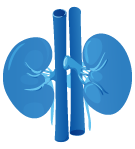
Kidneys are vital organs in the human body that play a pivotal role in overall physical well-being. These bean-shaped, fist-sized organs carry many bodily functions, including blood purification, flushing out toxins, regulating fluids and chemicals, controlling blood pressure, and making red blood cells.
When these organs lose their ability to filter the blood of its impurities and toxins, it severely affects the health, disturbing the entire quality of life. Many health conditions can affect the kidneys. From the most complained kidney stones to life-threatening kidney failure, renal organs need excellent medical care, supported by advanced surgical interventions, if required.
The Department of Nephrology at Marengo Asia Hospital is the core of the best nephrology care, helmed by eminent nephrologists working in tandem with specialists from other medical departments to ensure a broad range of effective treatments.
There are many types of kidney ailments that can affect all age groups.
Treating renal conditions needs expert medical care that encompasses various stages of kidney disease and other conditions. Our nephrologists ensure accurate diagnosis, early intervention, dialysis, and transplant support to restore the optimal functioning of kidneys. One of the primary steps in combating kidney ailments is early detection of the condition and subsequent medical intervention.
The screening and diagnostic services include blood tests, Glomerular filtration rate, serum creatinine, BUN, urinalysis, 24-hour urine collection, and various imaging tests – CT-Scan, X-Rays, and Ultrasounds.
For Know More About Our Doctors:
cells.
When these organs lose their ability to filter the blood of its impurities and toxins, it severely affects the health, disturbing the entire quality of life. Many health conditions can affect the kidneys. From the most complained kidney stones to life-threatening kidney failure, renal organs need excellent medical care, supported by advanced surgical interventions, if required.
The Department of Nephrology at Marengo Asia Hospital is the core of the best nephrology care, helmed by eminent nephrologists working in tandem with specialists from other medical departments to ensure a broad range of effective treatments.
What Are Most Common Kidney Conditions?
There are many types of kidney ailments that can affect all age groups.
Acute kidney injury
Amyloidosis & Kidney Disease
Diabetes Insipidus
Glomerular disease
Chronic kidney disease
End-stage kidney disease
Kidney stones
Intrinsic kidney diseases
Kidney cancer
Kidney Dysplasia
Kidney Infection (Pyelonephritis)
Lupus Nephritis
Medullary Sponge Kidney
Nephrotic Syndrome in Adults
Pain Medicine & Kidney Damage
Polycystic Kidney Disease (PKD)
Renal Artery Stenosis
Renal Tubular Acidosis
Simple Kidney Cysts
Solitary or Single-functioning Kidney
Anti-GBM (Goodpasture’s) Disease
IgA Nephropathy
IgA Vasculitis
How Are Kidney Ailments Treated?
Treating renal conditions needs expert medical care that encompasses various stages of kidney disease and other conditions. Our nephrologists ensure accurate diagnosis, early intervention, dialysis, and transplant support to restore the optimal functioning of kidneys. One of the primary steps in combating kidney ailments is early detection of the condition and subsequent medical intervention.
The screening and diagnostic services include blood tests, Glomerular filtration rate, serum creatinine, BUN, urinalysis, 24-hour urine collection, and various imaging tests – CT-Scan, X-Rays, and Ultrasounds.For Know More About Our Doctors: Nephrologist in AhmedabadNephrologist in FaridabadNephrologist in GurgaonNephrologist in GujaratNephrologist in Haryana

Neurosciences, a multidisciplinary field, encompasses the study, diagnosis, and treatment of disorders related to the brain and nervous system. Our Department of Neurosciences is at the forefront of advancing our understanding of the nervous system and providing compassionate, cutting-edge care to our patients.
Our Department of Neurosciences comprises specialized units and expert teams, each focused on specific aspects of neurological care:
Our Neurosciences Department offers a wide range of specialized services to meet the unique needs of our patients:
At Marengo Asia Hospital, our patients are at the heart of everything we do. Our Neurosciences Department is dedicated to delivering patient-centered care that prioritizes individual needs and concerns. We understand that neurological conditions can be challenging, both for patients and their families, and we are here to provide support, information, and guidance throughout the journey to recovery.
our patients.
Core Components of the Neurosciences Department
Our Department of Neurosciences comprises specialized units and expert teams, each focused on specific aspects of neurological care:
Neurology: Our neurologists are skilled in diagnosing and managing a wide range of neurological conditions, from epilepsy and stroke to neurodegenerative diseases like Alzheimer's and Parkinson's. They work closely with patients to develop personalized treatment plans.
Neurosurgery: Our neurosurgeons are experts in surgical interventions for neurological disorders. They perform intricate procedures such as brain tumor removal, spinal surgery, and deep brain stimulation for conditions like Parkinson's disease.
Neuroimaging: Our advanced neuroimaging unit utilizes state-of-the-art equipment to provide precise images of the brain and nervous system. This technology aids in diagnosing conditions and monitoring treatment progress.
Neurophysiology: Our neurophysiologists specialize in studying the electrical activity of the nervous system. They use techniques like EEG and nerve conduction studies to diagnose conditions such as epilepsy and peripheral neuropathy.
Neurorehabilitation: Our neurorehabilitation teams are dedicated to helping patients recover and regain function after neurological injuries or surgeries. They offer physical therapy, occupational therapy, and speech therapy to enhance the quality of life.
Specialized Services at Marengo Asia Hospital
Our Neurosciences Department offers a wide range of specialized services to meet the unique needs of our patients:
Stroke Center: Our Stroke Center provides rapid and expert care to individuals experiencing strokes, ensuring that they receive timely treatment to minimize damage and improve outcomes.
Epilepsy Clinic: We offer specialized care for individuals with epilepsy, including diagnostic testing, medication management, and surgical evaluations for cases of drug-resistant epilepsy.
Memory Clinic: Our Memory Clinic focuses on the diagnosis and management of memory disorders, including Alzheimer's disease and other forms of dementia.
Movement Disorders Program: We provide comprehensive care for patients with movement disorders such as Parkinson's disease, offering a range of treatments, including deep brain stimulation.
Pediatric Neurology: Our pediatric neurologists specialize in the diagnosis and treatment of neurological conditions in children, ensuring that young patients receive age-appropriate care.
The Significance of Neurosciences at Marengo Asia Hospital
Comprehensive Care: Our Neurosciences Department provides comprehensive care for patients with a wide range of neurological conditions, ensuring that they receive accurate diagnoses, effective treatments, and ongoing support.
Cutting-Edge Research: We are dedicated to advancing the field of neurosciences through groundbreaking research. Our team of neuroscientists and clinicians collaborates on innovative projects to improve patient outcomes and contribute to scientific knowledge.
Education and Training: Our commitment to education ensures that our medical professionals are equipped with the latest knowledge and techniques in neurology and neurosurgery.
Our Commitment to Patient-Centered Care
At Marengo Asia Hospital, our patients are at the heart of everything we do. Our Neurosciences Department is dedicated to delivering patient-centered care that prioritizes individual needs and concerns. We understand that neurological conditions can be challenging, both for patients and their families, and we are here to provide support, information, and guidance throughout the journey to recovery.

Orthopaedics is one of the chief specialities in medicine that diagnoses and treats health conditions related to the musculoskeletal system of the human body. Coined by French physician Nicholas Andry in the 16th century Orthopédie, it initially dealt with structural deformities in children. Over centuries, this super speciality grew by many notches playing a crucial role in treating bones and muscle disorders.
For many of us, ailments related to bones and muscles are just a click here and a crack there, but it is more than mere fractures. Orthopaedics extensively deals with deformities of musculoskeletal structures, spine disorders, injuries, trauma, congenital abnormalities, infections, degenerative and chronic conditions, and tumours.
The mobility of the human body, by and large, is dependent on the strength and flexibility of bones, muscles, ligaments, and tendons. As we age, these 'fragile yet crucial' structures hit the peak bone mass and thrive on ample amounts of nutrition and calcium-rich foods for immense strength. Nevertheless, wear and tear are a common phenomenon that may make bones brittle and crack. The contributing factors for these changes often point to a reduction in metabolic activity, stress, lack of a healthy lifestyle, and poor dietary habits, and women are prone to various degenerative bone conditions after menopause.
The Department of Orthopedics at Marengo Asia Hospitals, helmed by expert orthopaedic surgeons, physiotherapists, and other paramedical staff, offers world-class medical care right from diagnosis to treatment and entire rehabilitation. Aided by state-of-the-art labs, diagnostic centres, and fully equipped operation theatres, we offer non-invasive-conservative treatment options besides minimally invasive procedures that ensure quicker recovery and regain the quality of life.
For Know More About Our Doctors:
Orthopaedic Doctor in Ahmedabad
Orthopaedic Doctor in Faridabad
centuries, this super speciality grew by many notches playing a crucial role in treating bones and muscle disorders.
For many of us, ailments related to bones and muscles are just a click here and a crack there, but it is more than mere fractures. Orthopaedics extensively deals with deformities of musculoskeletal structures, spine disorders, injuries, trauma, congenital abnormalities, infections, degenerative and chronic conditions, and tumours.
The mobility of the human body, by and large, is dependent on the strength and flexibility of bones, muscles, ligaments, and tendons. As we age, these 'fragile yet crucial' structures hit the peak bone mass and thrive on ample amounts of nutrition and calcium-rich foods for immense strength. Nevertheless, wear and tear are a common phenomenon that may make bones brittle and crack. The contributing factors for these changes often point to a reduction in metabolic activity, stress, lack of a healthy lifestyle, and poor dietary habits, and women are prone to various degenerative bone conditions after menopause.
The Department of Orthopedics at Marengo Asia Hospitals, helmed by expert orthopaedic surgeons, physiotherapists, and other paramedical staff, offers world-class medical care right from diagnosis to treatment and entire rehabilitation. Aided by state-of-the-art labs, diagnostic centres, and fully equipped operation theatres, we offer non-invasive-conservative treatment options besides minimally invasive procedures that ensure quicker recovery and regain the quality of life.
Our Services:
Knee, Hip, And Shoulder Replacement
Fractures And Trauma
Sports Medicine
Conditions Related to Elbow, Foot, And Ankle
Anterior Cruciate Ligament/Posterior Cruciate Ligament Reconstruction
Knee/Hip Elbow Arthroscopy
Back Surgery
Spinal And Peripheral Joint Injections
Soft Tissue ConditionsFor Know More About Our Doctors: Orthopaedic Doctor in AhmedabadOrthopaedic Doctor in FaridabadOrthopaedic Doctor in GujaratOrthopaedic Doctor in GurgaonOrthopaedic Doctor in Haryana

Paediatrics is one of the chief medical specialities that deals with diagnosing and treating health conditions related to infants, children, and adolescents. Paediatricians are experts in preventing, diagnosing, and treating various health conditions that affect children in younger age groups.
Treating children with health conditions demands the utmost care, empathy, compassion, and unparalleled medical expertise. In many families, children form the backbone of a family structure and are a lifeline to their parents. It is not unusual for parents to get worried and feel anxious for the well-being of their child, and the job of a paediatrician is not just treating the child but also assuring their families.
We at Marengo Asia Hospital have a dedicated Department of Paediatrics equipped with state-of-the-art medical facilities. Helmed by the best paediatricians and neonatologists, the department offers advanced diagnostic and treatment procedures right from premature babies to teenage children. Paediatrics has multiple subspecialities, including:
Children are prone to various health issues owing to poor immunity, lack of nutrition, and exposure to environmental factors. The most common health conditions are:
However, few critical conditions require immediate medical and surgical intervention by expert paediatric surgeons.
Marengo Asia Hospital offers highly advanced care for paediatric patients. Caring for babies and children demands unparallel attention, and our experts are available round-the-clock to meet emergencies of all kinds.
Our sophisticated diagnostic tools like Ultrasound, CT, MRI, and MRA ensure very minimal exposure to radiation to children during the tests.
Our neonatal unit is specially designed to cater the just born babies. The eminent neonatologists helm the section for the faster recovery of the babies. Facilities offered at the department include:
groups.
Treating children with health conditions demands the utmost care, empathy, compassion, and unparalleled medical expertise. In many families, children form the backbone of a family structure and are a lifeline to their parents. It is not unusual for parents to get worried and feel anxious for the well-being of their child, and the job of a paediatrician is not just treating the child but also assuring their families.
We at Marengo Asia Hospital have a dedicated Department of Paediatrics equipped with state-of-the-art medical facilities. Helmed by the best paediatricians and neonatologists, the department offers advanced diagnostic and treatment procedures right from premature babies to teenage children. Paediatrics has multiple subspecialities, including:
Adolescent Medicine
Genetics
Neonatology
Paediatric Allergy and Immunology
Paediatric Cardiology
Paediatric Emergency Medicine
Paediatric Gastroenterology
Paediatric Haematology
Paediatric Infectious Disease
Paediatric Nephrology
Paediatric Oncology
Paediatric Pulmonology
Paediatric Rheumatology
Transplant Hepatology
What Conditions Are Treated By The Department of Paediatrics?
Children are prone to various health issues owing to poor immunity, lack of nutrition, and exposure to environmental factors. The most common health conditions are:
Cold and Sore Throat
Ear Pain
Viral Infections
Bacterial Infections
Digestive Issues
Urinary Tract Infections
However, few critical conditions require immediate medical and surgical intervention by expert paediatric surgeons.
Congenital abnormalities affecting cardiac function
Structural anomalies of lungs and abdomen
Orofacial clefts
Limb deficiencies
Spina Bifida
Club Foot
Phenylketonuria
Cancer in children
Food allergies
Skin rashes
Asthma
Cerebral palsy
Childhood diabetes
Childhood obesity
Genetic disorders
Down syndrome
Seizure disorders
Sickle cell disease
Advanced Treatments in Paediatrics:
Marengo Asia Hospital offers highly advanced care for paediatric patients. Caring for babies and children demands unparallel attention, and our experts are available round-the-clock to meet emergencies of all kinds.
Our sophisticated diagnostic tools like Ultrasound, CT, MRI, and MRA ensure very minimal exposure to radiation to children during the tests.
Neonatology:
Our neonatal unit is specially designed to cater the just born babies. The eminent neonatologists helm the section for the faster recovery of the babies. Facilities offered at the department include:
Dedicated Neonatal ICU
Neonatal Ventilators
Neonatal Warmers
Phototherapy Unit – LED Phototherapy
Incubator
Transport Incubator with Ventilator

Pulmonology is a branch of medicine that deals with the entire respiratory system, including the lungs and bronchial tubes. In these times and days of chronic viral conditions, lung diseases need expert care for swift treatment and to save lives. Lungs are vital organs in the human body, and while certain infections cause mild irritation, other pulmonary conditions can obstruct the airflow and lead to significant complications.
Respiratory conditions are grouped either as obstructive or restrictive diseases. While the first condition lowers the airflow rate during inhalation and exhalation, the latter reduces the lung's functional volume. Whether it is the common cold or chronic pulmonary disease, all you need is an expert pulmonologist's consultation to breathe easily.
Marengo Asia Hospital offers the best medical techniques and treatments to treat a broad spectrum of lung ailments. Our labs and operation theatres, equipped with modern endoscopy facilities, ensure precise diagnosis and tailor-made treatment options.
For Know More About Our Doctors:
certain infections cause mild irritation, other pulmonary conditions can obstruct the airflow and lead to significant complications.
Respiratory conditions are grouped either as obstructive or restrictive diseases. While the first condition lowers the airflow rate during inhalation and exhalation, the latter reduces the lung's functional volume. Whether it is the common cold or chronic pulmonary disease, all you need is an expert pulmonologist's consultation to breathe easily.
Marengo Asia Hospital offers the best medical techniques and treatments to treat a broad spectrum of lung ailments. Our labs and operation theatres, equipped with modern endoscopy facilities, ensure precise diagnosis and tailor-made treatment options.
What Conditions Are Treated by The Department of Pulmonology?
Persistent Cough and Cold
Chronic Chest Infection
Difficulty in breathing or shortness of breath
Wheezing
Bronchitis
Asthma
Chronic Obstructive Pulmonary Disease (COPD)
Pulmonary Fibrosis
Asbestosis
Pneumonitis
Upper Respiratory Infections
Pulmonary Hypertension
Pulmonary Rehabilitation
Pulmonary Valve Stenosis (PVS)
InsomniaFor Know More About Our Doctors: Pulmonologist in AhmedabadPulmonologist in FaridabadPulmonologist in Gurgaon
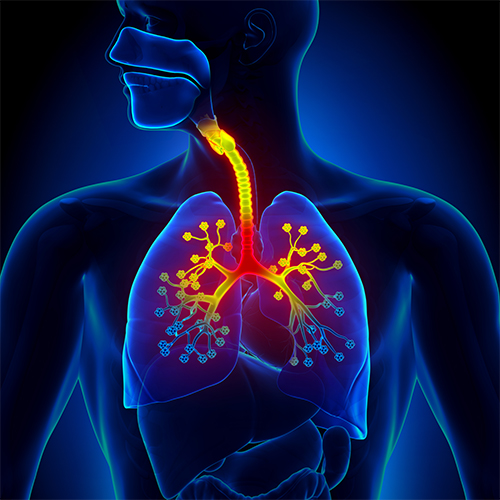
Urology and Renal Transplantation constitute specialized branches of medical care that revolve around the well-being of the urinary system and the intricate realm of kidney health. These fields are instrumental in maintaining overall health and vitality, as they address crucial aspects of the body's internal mechanisms.
Beyond their surface significance, urology and renal transplantation hold profound importance. Urology deals with the complexities of the urinary tract and reproductive system, safeguarding not just a healthy smile but also holistic well-being. The field of renal transplantation, meanwhile, restores the vigour of life by seamlessly replacing faltering kidneys, enhancing both longevity and the quality of life for those in need.
Renal transplantation is pivotal for those facing kidney failure. By replacing ailing kidneys with functional ones from living or deceased donors, this procedure is akin to restoring a masterpiece's vitality. It ushers in a new lease of life, empowering individuals to embrace their passions and aspirations without the constraints of compromised health.
Urologists use thorough examinations to make diagnoses. Treatments range from minimally invasive procedures under mild anesthesia to complex surgeries with general anesthesia, catering to individual requirements.
In the vast healthcare tapestry, Urology and Renal Transplantation threads contribute precision and care. They restore health and enhance vibrant living. Reflecting interconnectedness, they offer gateways to improved vitality, underscoring the delicate balance within our bodies.
For Know More About Our Doctors:
internal mechanisms.
Why are Urology and Renal Transplantation Essential?
Beyond their surface significance, urology and renal transplantation hold profound importance. Urology deals with the complexities of the urinary tract and reproductive system, safeguarding not just a healthy smile but also holistic well-being. The field of renal transplantation, meanwhile, restores the vigour of life by seamlessly replacing faltering kidneys, enhancing both longevity and the quality of life for those in need.
Renal Transplantation Need:
Renal transplantation is pivotal for those facing kidney failure. By replacing ailing kidneys with functional ones from living or deceased donors, this procedure is akin to restoring a masterpiece's vitality. It ushers in a new lease of life, empowering individuals to embrace their passions and aspirations without the constraints of compromised health.
What are the Diagnosis and Treatment?
Urologists use thorough examinations to make diagnoses. Treatments range from minimally invasive procedures under mild anesthesia to complex surgeries with general anesthesia, catering to individual requirements.
In the vast healthcare tapestry, Urology and Renal Transplantation threads contribute precision and care. They restore health and enhance vibrant living. Reflecting interconnectedness, they offer gateways to improved vitality, underscoring the delicate balance within our bodies.For Know More About Our Doctors: Urologist in AhmedabadUrologist in FaridabadUrologist in GujaratUrologist in GurgaonUrologist in Haryana

Nam dapibus turpis non rhoncus cursus. Aenean a sagittis augue. Sed eu justo id enim tincidunt lobortis. Pellentesque vitae vulputate odio, consectetur semper mi. Praesent hendrerit enim a magna sollicitudin, in posuere magna placerat. Morbi consectetur metus nec commodo dapibus. Donec pharetra facilisis justo, eu sollicitudin ligula consequat ut. Integer iaculis aliquet neque nec finibus.
| Biomarker Testing Package 1 | |
|---|---|
| Country | Cost |
| India | $ 5,500 |
| USA | $ 15,500 |
| Thailand | $ 7,500 |
| Plan Your Treatment | |
| Biomarker Testing Package 1 | |
|---|---|
| Country | Cost |
| India | $ 5,500 |
| USA | $ 15,500 |
| Thailand | $ 7,500 |
| Plan Your Treatment | |
| Biomarker Testing Package 1 | |
|---|---|
| Country | Cost |
| India | $ 5,500 |
| USA | $ 15,500 |
| Thailand | $ 7,500 |
| Plan Your Treatment | |